Unreliable electricity supply affects millions of Nigerian households every day. Power cuts occur without warning, voltage fluctuates, and load-shedding disrupts routines. As a result, families respond with practical, creative, and cost-heavy strategies to keep their homes running. This article outlines nine effective ways Nigerian households manage constant power outages.
1. Generators: The Most Common Backup Power Source
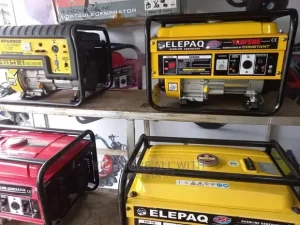
Generators remain the quickest solution for power outages in Nigeria. Families switch them on as soon as the light goes off. Small petrol units power basic needs, while larger diesel generators support entire homes. Generators create noise and fumes, yet they remain essential. Many households rely on them because the national grid cannot provide a steady electricity supply. As a result, generators have become a survival tool rather than a luxury.
2. Inverters and Battery Systems: A Quieter Alternative
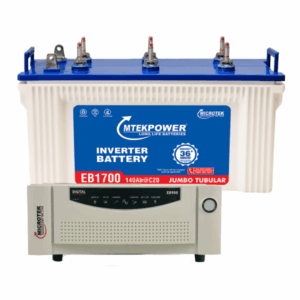
Inverters and battery systems continue to grow in popularity. These systems store electricity when the grid works and release it during outages. Therefore, households enjoy a quieter and cleaner backup option. The upfront cost remains high. However, many families choose inverters because they reduce fuel expenses and provide a steady power supply for lights, fans, routers, and other electronic devices.
3. Solar Power: A Fast-growing Solution in Nigeria
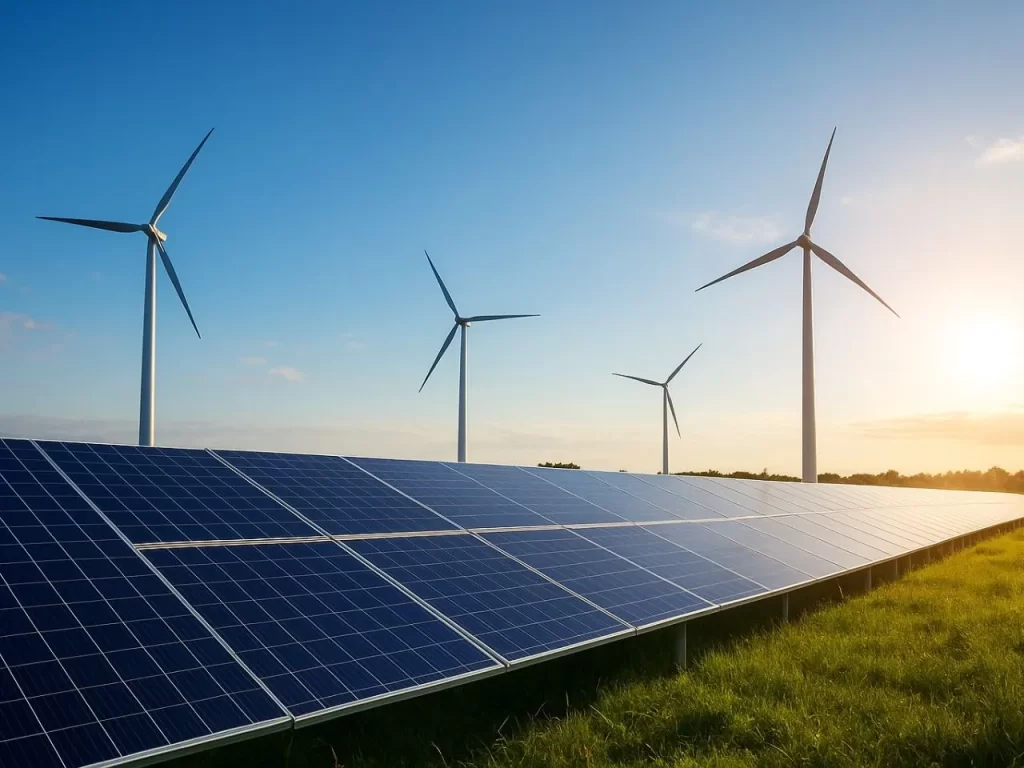
Solar power offers Nigerians a reliable way to reduce dependence on the grid. More households now install solar panels and solar home kits. These systems generate electricity directly from sunlight, making them ideal during extended power outages. Solar power provides predictable energy. Additionally, it cuts fuel spending and improves energy independence. As a result, solar adoption continues to rise across the country.
4. Strategic Load Management to Maximise Available Power
Nigerian households manage electricity carefully. They perform high-energy tasks such as ironing, pumping water, or refrigerating food only when the grid becomes stable. Families also adopt strict conservation habits. They switch off unused appliances and unplug devices to protect limited power. Consequently, they make the most of every available hour of electricity.
5. Combining Multiple Power Sources for Better Reliability
Most households do not rely on one power source. Instead, they combine grid electricity, solar panels, inverters, and generators. This multi-layered approach increases reliability. When one source fails, another fills the gap. Therefore, households enjoy better stability even though the national grid remains inconsistent.
6. Reducing Use of High-power Appliances During Outages
Many families avoid high-power appliances during blackouts. Air conditioners stay off. Electric cookers remain unused. Water heaters become a luxury. Instead, households use gas cookers, hand fans, and cold baths. These adjustments help them conserve backup electricity and extend energy resources during prolonged outages.
7. Community Mini-grids and Shared Power Systems
Some neighbourhoods and estates respond collectively. Residents contribute money to run shared generators or build community mini-grids powered by solar or hybrid systems. This shared approach reduces individual costs. It also improves reliability for everyone. As a result, communities create their own solutions where the national grid fails.
8. Challenging Estimated Bills and Negotiating with DisCos
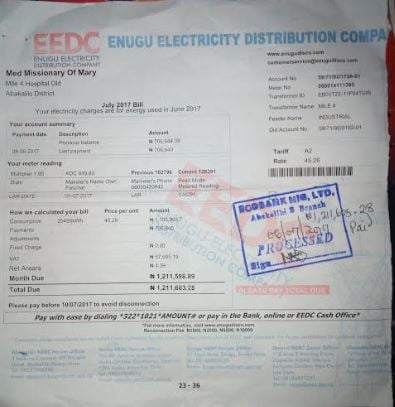
Consumers increasingly challenge estimated electricity bills. Many households dispute charges, delay payments during extended outages, or file complaints with electricity distribution companies (DisCos). These actions reflect widespread frustration. Households want fair billing and consistent supply. However, they often receive neither, which forces them to push back.
9. Adjusting Daily Routines and Business Hours
Nigerians adjust their daily routines to power availability. They cook, charge devices, and finish chores when electricity returns. People stay alert to the sound of “Up NEPA” and act quickly. Businesses also adjust their hours or close temporarily during extended outages. As a result, unreliable electricity affects productivity and income nationwide.
Conclusion: Nigerians Continue to Adapt to Unreliable Power Supply
Nigeria’s electricity crisis shapes daily life and economic activity. Households continue to create practical solutions, even though these strategies carry high financial and emotional costs. Until major reforms improve the power sector, Nigerians will continue to rely on a mix of personal effort, community cooperation, and alternative power sources to cope with unreliable electricity.