- Battery Energy Storage Systems (BESS) stabilise Africa’s power grids, store renewable energy for later use, and reduce dependence on diesel generators.
- African countries like South Africa, Namibia, and Mali are deploying BESS to improve grid reliability, integrate solar power, and lower energy costs.
Africa’s growing population and rapid urbanisation are driving up energy demand and carbon emissions, compounding the effects of climate change and exposing the continent’s dependence on fossil fuels.
As countries shift toward renewable sources like solar and wind, a new challenge emerges: how to store and stabilise that energy reliably. Battery Energy Storage Systems (BESS) are increasingly recognised as a key technology to support this transition, bridging the gap between energy supply and demand and helping build more resilient, low-carbon power systems across Africa.
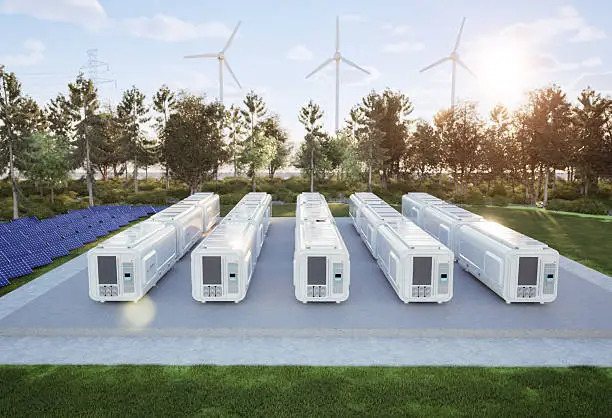
What Is BESS, and Why Is It Important?
Like a power bank that stores energy to charge your phone later, a Battery Energy Storage System (BESS) stores electricity, except on a much larger scale. It can power homes, businesses, or even entire sections of a national grid.
BESS captures excess electricity, often from renewable sources like solar panels or wind turbines, when supply exceeds demand. It then releases that electricity when demand rises, or renewables are not generating power. This makes clean energy more reliable and blackouts less likely.
A typical BESS includes rechargeable batteries, control systems, and safety mechanisms to ensure stable and efficient operation. Key benefits include:
- Supports Renewable Energy Integration: Energy production depends on sunlight and wind conditions. BESS helps smooth these fluctuations by storing excess energy during high-production periods and dispatching it during low-generation or high-demand periods.
- Stabilises Weak Power Grids: Many African grids suffer from instability, load-shedding, or underinvestment. BESS can respond in milliseconds to voltage drops or frequency changes, helping to maintain balance and reduce blackouts.
- Reduces Reliance on Fossil Fuels: Diesel generators are commonly used for backup power across Africa, but they are costly, polluting, and often inefficient. BESS offers a cleaner and more sustainable alternative, especially with renewables.
- Enables Off-Grid and Mini-Grid Solutions: In rural or remote communities without national grids, BESS combined with solar PV or wind can create self-sufficient mini-grids, improving energy access, lowering costs, and promoting local development.
The Movement of BESS in South Africa
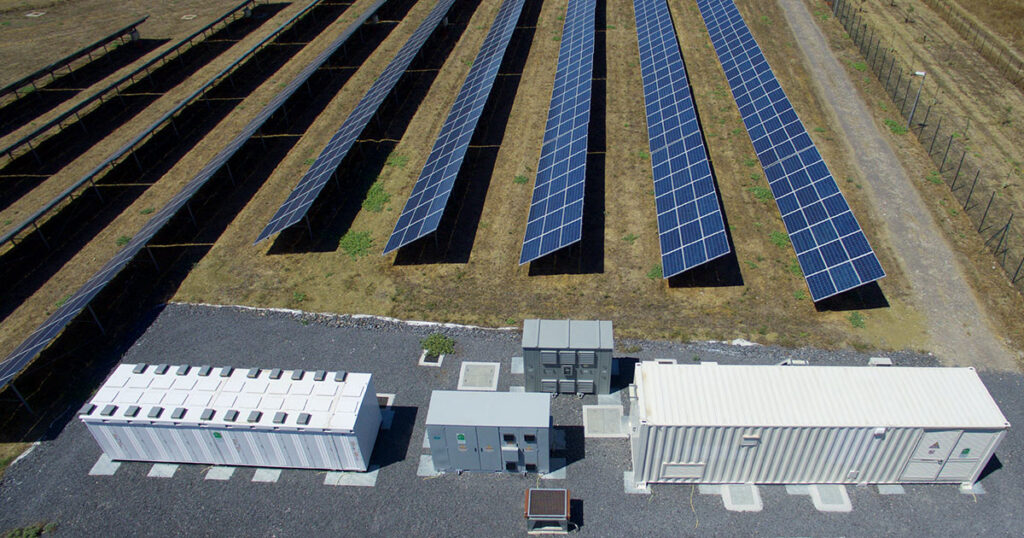
South Africa rapidly emerges as a continental leader in battery energy storage deployment, driven by persistent load shedding, ageing grid infrastructure, and the push for a cleaner energy mix.
The movement began with pilot-scale projects by private firms and municipalities integrating solar-plus-storage in commercial and industrial settings. However, the momentum has significantly accelerated with Eskom’s national BESS rollout, a multi-phase initiative that will deploy over 1,400 MWh of storage and 360 MW of solar PV nationwide.
With this project, Eskom aims to stabilise the grid, reduce load shedding, and improve the integration of renewable energy into the national power system. Independent power producers are also integrating BESS into hybrid projects under the REIPPPP, while policies like the IRP 2019 recognise storage as essential for grid stability.
Support from international funders such as the World Bank and the African Development Bank has further legitimised the role of BESS in South Africa’s Just Energy Transition.
Challenges and the Path Forward for BESS in Africa
Battery Energy Storage Systems (BESS) hold great potential for Africa’s energy future, but key challenges must be addressed to unlock their full value. High capital costs remain a significant challenge, even as global prices fall. Many countries also lack the policy support and concessional financing needed to scale deployment.
Furthermore, technical issues, particularly the lack of thermal management systems suited for hot climates, can reduce battery performance and lifespan. Additionally, there is a shortage of skilled professionals to install, operate, and maintain BESS infrastructure.
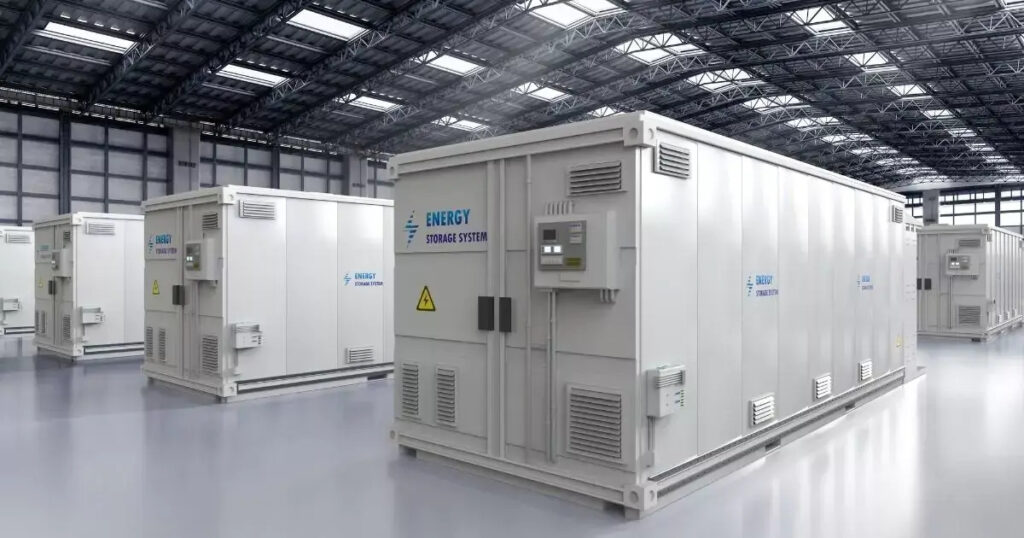
To overcome these challenges, African stakeholders should prioritise hybrid systems that combine solar, storage, and thermal power to ensure reliability. They also need to invest in battery technologies tailored for high temperatures, especially lithium-ion and flow batteries. Expanding pilot projects across subregions can build experience and demonstrate commercial viability, while policy incentives and accessible financing can help de-risk investments.
In conclusion, BESS is vital to Africa’s clean energy future. With the right investments, policies, and technology choices, it can overcome current barriers and become a key driver of reliable, sustainable power across the continent.