Nigeria’s energy transition has placed the transportation sector at the centre of national discourse. With the removal of fuel subsidies in 2023, the Federal Government has sought to accelerate the adoption of Compressed Natural Gas (CNG) as a cheaper and cleaner alternative to petrol. However, despite the economic rationale and strong policy push, uptake remains limited. This situation raises an important question: if Nigerians are reluctant to adopt CNG, will Electric Vehicles (EVs) encounter similar barriers, or could they offer a more viable path in the long term?
The CNG Proposition and Public Reluctance
CNG presents itself as a pragmatic alternative to fossil fuels for vehicles, particularly as Nigeria is endowed with abundant natural gas reserves, and the economics of CNG consumption are more favourable than petrol. The Presidential CNG Initiative (PCNGi) was launched to promote cheaper and cleaner transport fuel, vehicle conversion, expand fueling infrastructure, and reduce dependence on imported petroleum products.
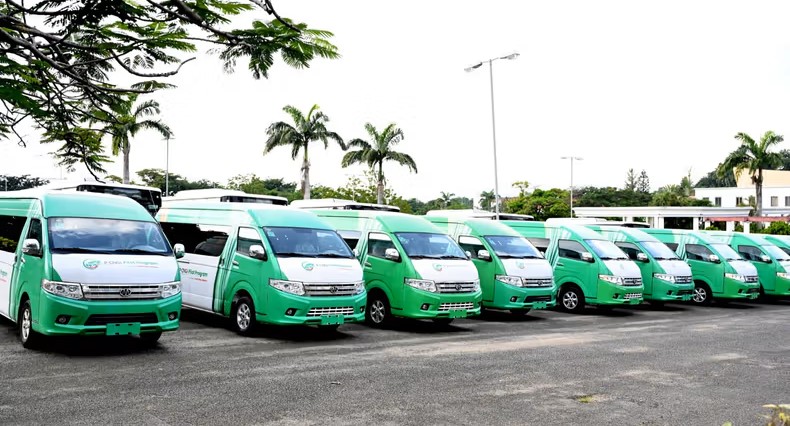
Yet adoption has been slow. Infrastructure remains the foremost challenge. Refuelling stations are scarce, and the conversion cost, often exceeding ₦500,000 per vehicle, is prohibitive for most Nigerians. Safety concerns and technical uncertainties further undermine confidence. In effect, while CNG may appear viable at the policy level, its practicality at the consumer level is far from assured.
Electric Vehicles: Opportunities and Constraints
Globally, EVs are seen as the inevitable future of mobility, aligned with climate commitments and global decarbonisation efforts. In Nigeria, however, the reality is more complex. The national grid is unreliable, forcing most households and businesses to rely on diesel and petrol generators. This makes EV charging a significant challenge.
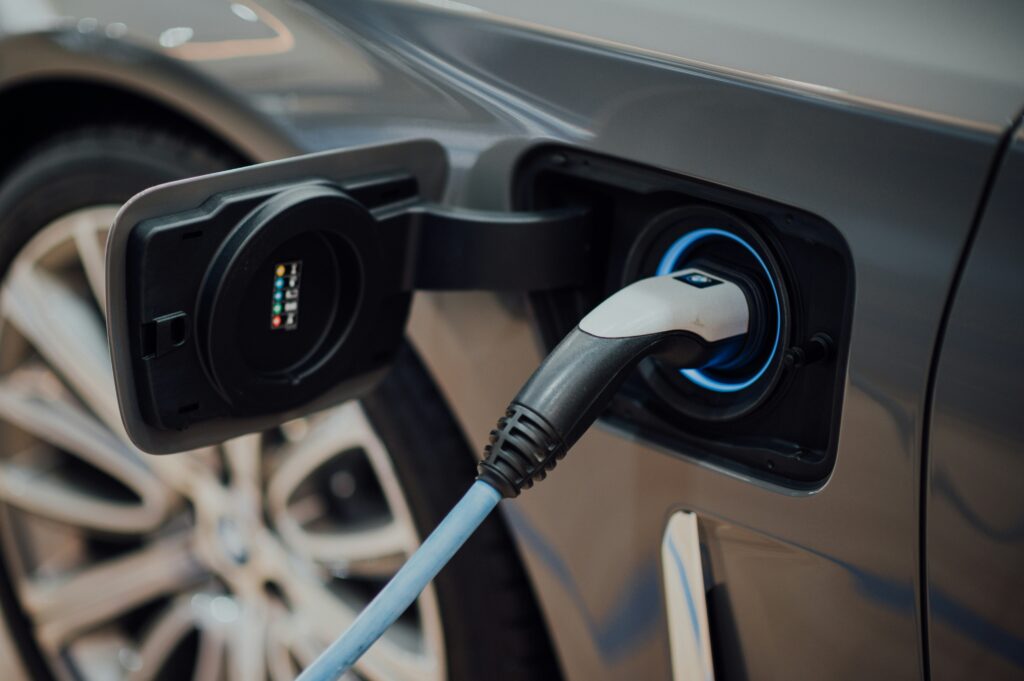
Nevertheless, EVs present certain structural advantages. Charging infrastructure can be decentralised and integrated with renewable energy systems, particularly solar. Pilot projects in Lagos and Abuja have already demonstrated the feasibility of solar-powered charging hubs. Such models suggest that, unlike CNG, EVs could develop independently of Nigeria’s fragile grid and pipeline infrastructure, offering a more sustainable long-term pathway if investment and policy support are consistent.
Policy, Trust, and Consumer Psychology
The reluctance to embrace CNG and EVs reflects deeper policy credibility and consumer trust issues. Nigerians have experienced decades of shifting energy policies and incomplete initiatives, which have created scepticism about government-led programmes. For CNG, the absence of readily accessible fueling stations reinforces hesitation. For EVs, doubts centre on infrastructure readiness and the costs of adoption.
Reversing this trend requires deliberate, demonstrable action. For CNG, this includes subsidising vehicle conversions and expanding fueling networks in urban centres and along major transport corridors. For EVs, government and private sector actors must prioritise renewable-powered charging infrastructure, provide targeted incentives, and work with transport unions to pilot electric mass transit systems.
Prospects for the Future
In the near term, CNG remains the more feasible option for Nigeria’s public transport system, given the country’s resource base and technical expertise. However, in the long term, EVs may be more adaptable, especially if private-sector innovation continues filling infrastructure gaps. Ultimately, Nigerians are not resistant to technological change in principle; instead, they are cautious in the face of policy inconsistency, inadequate infrastructure, and high costs.
Therefore, the success of either CNG or EV adoption will depend less on rhetoric and more on delivering reliable, affordable, and accessible alternatives. Whichever technology achieves this first will earn public trust and drive Nigeria’s transportation future.