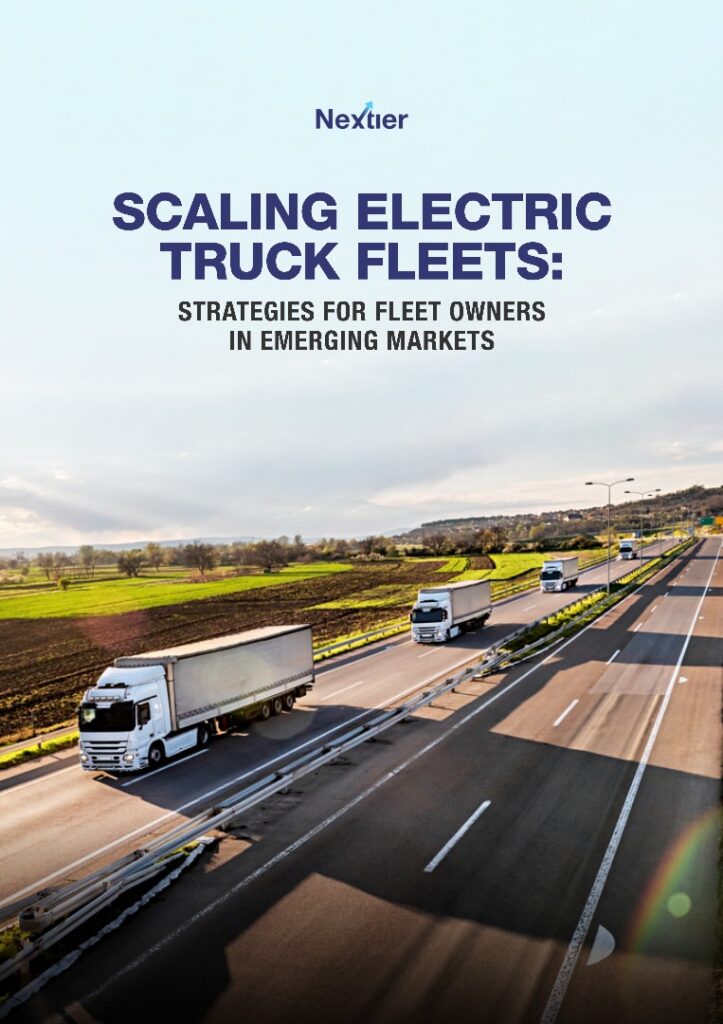
The global push for zero-emission logistics is driven by urgent climate goals, energy security needs, and urban air quality crises (IPCC, 2022). In emerging markets, heavy-duty electric trucks (e-trucks) reduce reliance on volatile fuel imports, mitigate transport-related pollution, and align with climate commitments (IEA, 2023). However, fleet owners face steep challenges: high upfront costs, inadequate charging infrastructure, and regulatory gaps. Scaling e-truck fleets is not a question of “if” but “how,” and leadership starts now.
Electric trucks offer long-term economic advantages. Despite higher purchase prices, their total cost of ownership (TCO) often beats diesel trucks due to lower fuel and maintenance costs (BloombergNEF, 2024). E-trucks shield fleets from diesel price volatility, ensuring cost stability (IEA, 2023). They also align with environmental, social, and governance (ESG) goals and emerging regulations, such as low-emission zones in cities (Transport & Environment, 2022). Early adoption enhances brand leadership and ensures compliance with tightening mandates.
Scaling e-truck fleets in emerging markets faces significant hurdles. High upfront costs, driven by battery prices and vehicle premiums, deter investment (World Bank, 2023). Infrastructure gaps—limited high-capacity charging stations and unreliable grids—restrict scalability (IEA, 2023). Policy uncertainty, including weak incentives and outdated vehicle weight regulations, adds complexity (UNEP, 2022). Operational challenges, such as limited range (200–300 km per charge), payload reductions due to battery weight, and insufficient driver training, further slow adoption (BloombergNEF, 2024).
Strategies for Fleet Owners
Fleet owners can overcome barriers through targeted strategies:
- Leverage Innovative Financing Models: Battery leasing and vehicle-as-a-service models lower upfront costs (World Bank, 2023). Public-private partnerships can fund charging infrastructure, sharing financial risks (UNEP, 2022).
- Start with Pilot Projects: Testing e-trucks on short-haul urban routes minimizes risk. Depot-based charging supports operational learning and scalability (IEA, 2023).
- Collaborate with OEMs and Tech Providers: Partnerships with manufacturers ensure vehicles meet local needs, while tech firms provide telematics, route optimization, and predictive maintenance to boost efficiency (BloombergNEF, 2024).
- Push for Policy Engagement: Engaging regulators to advocate for tax incentives, grid upgrades, and updated road policies creates an enabling environment (UNEP, 2022).
- Plan for Charging and Energy Resilience: Onsite solar and battery storage systems enhance energy reliability and cut costs. Coordinating with utilities ensures grid support for fast-charging (World Bank, 2023).
In India, Ecom Express deploys e-trucks for last-mile delivery, using depot charging (BloombergNEF, 2024). South African mining firms test electric trucks on short-haul routes with solar-powered charging (IEA, 2023). In Chile, logistics operators leverage public-private financing to electrify urban fleets (UNEP, 2022). These pilots provide scalable, region-specific models for broader adoption.
Electric trucks promise cleaner, cost-effective logistics in emerging markets, reducing emissions and fuel dependency. By embracing pilot projects, innovative financing, and stakeholder partnerships, fleet owners can navigate barriers. The transition demands actions: start small, partner smartly, and scale boldly to lead the zero-emission future.
References
- BloombergNEF. (2024). Electric Vehicle Outlook 2024. Retrieved from https://about.bnef.com/electric-vehicle-outlook/
- IEA. (2023). Global EV Outlook 2023. International Energy Agency. Retrieved from https://www.iea.org/reports/global-ev-outlook-2023
- IPCC. (2022). Sixth Assessment Report: Mitigation of Climate Change. Intergovernmental Panel on Climate Change. Retrieved from https://www.ipcc.ch/report/ar6/wg3/
- Transport & Environment. (2022). Low-Emission Zones in Europe. Retrieved from https://www.transportenvironment.org/
- UNEP. (2022). Electric Mobility in Emerging Markets. United Nations Environment Programme. Retrieved from https://www.unep.org/
- World Bank. (2023). Financing Electric Vehicle Transitions in Emerging Markets. Retrieved from https://www.worldbank.org/