Nigeria’s electricity challenge is fundamentally structural rather than temporary. Despite decades of reform, the national grid continues to underperform in terms of reliability, reach, and resilience. The National Integrated Electricity Policy and Strategic Implementation Plan (NIEP-SIP) acknowledges this reality by shifting Nigeria’s electricity strategy away from an exclusive focus on centralised grid expansion towards a diversified, decentralised, and market-driven power system.
In addition, Nigeria’s Energy Transition Plan and broader climate commitments are driving the country to decarbonise its energy supply while sustaining economic growth. These dual imperatives, energy access and energy transition, demand solutions that are flexible, scalable, and locally adaptable. Within this context, off-grid wind–solar hydrogen systems emerge as a strategically aligned but underexplored option.
NIEP-SIP and the Case for Off-grid Energy Solutions
A defining feature of the NIEP-SIP is its explicit acknowledgement that the national grid alone cannot meet Nigeria’s electricity needs in the medium term. The policy therefore elevates off-grid, embedded, and mini-grid solutions from stopgap measures to permanent pillars of the electricity system. This framing creates a natural policy space for off-grid hydrogen systems. Unlike grid-dependent hydrogen production, which relies on stable and low-carbon grid electricity, off-grid wind–solar hydrogen aligns with the NIEP-SIP’s emphasis on:
- decentralised generation,
- private-sector-led investment,
- and regional energy solutions tailored to local resource endowments.
The NIEP-SIP also prioritises electricity for productive use, recognising that power supply must support industry, agriculture, and economic activity rather than merely household consumption. Off-grid hydrogen systems directly reinforce this objective by enabling renewable electricity to be converted into a storable energy carrier that can serve industrial heat, fertiliser production, and backup power for commercial clusters.
Why Hydrogen Fits Nigeria’s Decentralised Electricity Vision
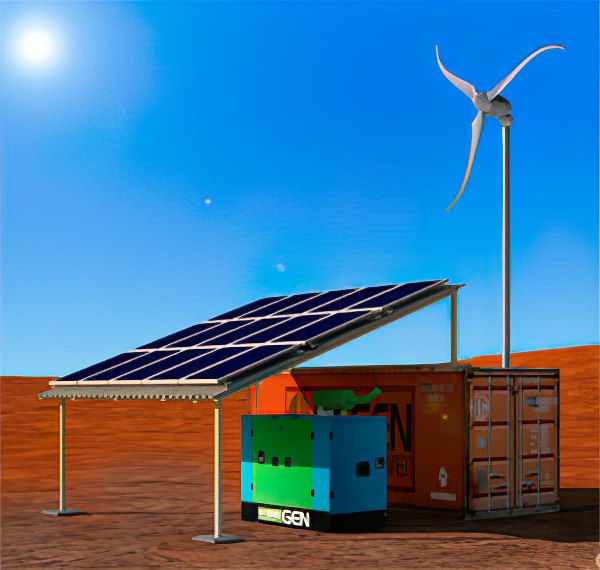
The NIEP-SIP does not treat electricity as a monolithic commodity; instead, it promotes a flexible electricity ecosystem that accommodates variable renewable energy, embedded generation, and new technologies. Hydrogen fits into this vision in three key ways.
First, hydrogen acts as a long-duration energy storage solution, addressing one of the most persistent challenges of decentralised renewable systems: intermittency. Solar-dominated mini-grids, which the NIEP-SIP strongly supports, often struggle to provide reliable power beyond daylight hours. Integrating electrolysers allows excess daytime generation to be stored as hydrogen and converted back to electricity or used directly as fuel.
Second, hydrogen supports energy security and resilience, another priority of NIEP-SIP. By reducing dependence on diesel and imported fuels, off-grid hydrogen systems insulate businesses and communities from fuel price volatility and supply disruptions.
Third, hydrogen enables sector coupling, linking electricity with industry, transport, and agriculture. This cross-sectoral integration is consistent with the NIEP-SIP’s call for coordinated energy planning rather than siloed interventions.
Strategic System Design: Implications for Nigerian Implementation
Experience from techno-economic modelling of off-grid wind–solar hydrogen systems offers several insights that Nigerian policymakers and developers should internalise.
Hybrid renewable systems are essential. Solar energy will remain the backbone of decentralised generation in Nigeria, but modest wind integration, particularly in northern and coastal regions, can significantly improve system stability. This aligns with the NIEP-SIP’s technology-neutral stance, which encourages the use of location-specific resource optimisation rather than one-size-fits-all solutions.
System sizing is critical. The NIEP-SIP places strong emphasis on cost-reflective tariffs and financial sustainability. Oversized systems that waste renewable energy or underutilise electrolysers undermine this principle. Hydrogen projects should therefore prioritise optimal matching of renewable capacity and electrolyser size, especially given Nigeria’s relatively high cost of capital.
The choice of technology should favour robustness over novelty. While advanced electrolyser technologies promise higher efficiency, the NIEP-SIP’s emphasis on reliability and operational sustainability suggests that commercially proven alkaline electrolysers may be more appropriate in the near term, particularly for decentralised applications.
Economic Relevance: Hydrogen as a Diesel Replacement Strategy
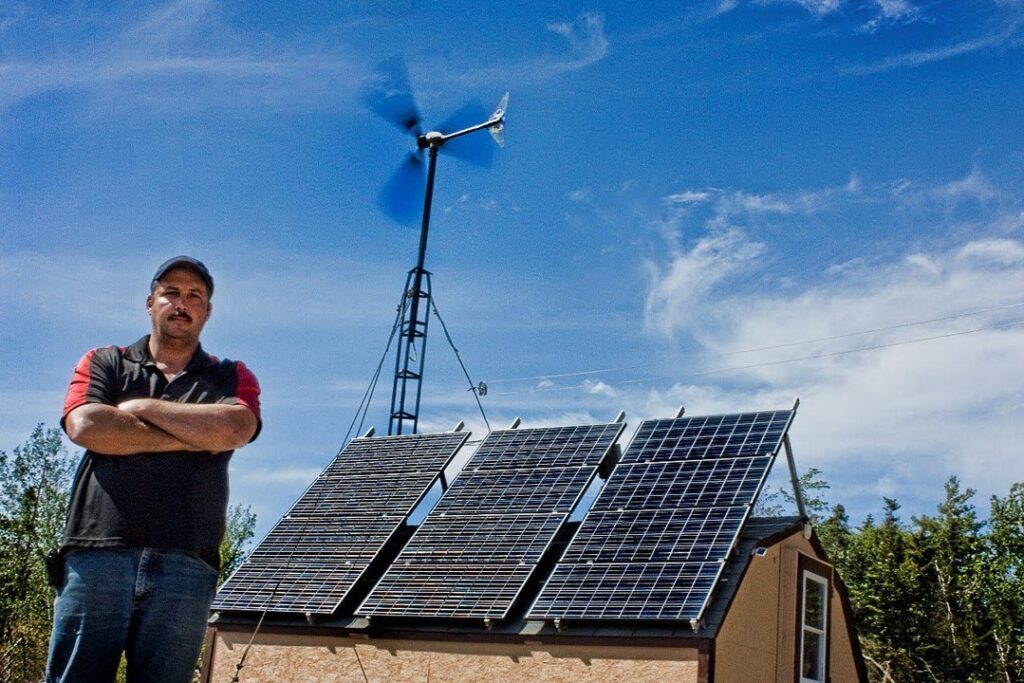
The NIEP-SIP explicitly recognises the economic burden imposed by self-generation using diesel and petrol. In many Nigerian cities, self-generation accounts for a substantial share of electricity consumed by businesses and industries, raising production costs and undermining competitiveness.
Off-grid wind–solar hydrogen systems should therefore be evaluated not against international hydrogen cost benchmarks, but against diesel-based energy systems, which remain Nigeria’s de facto alternative. When framed this way, hydrogen’s economic relevance becomes clearer.
By converting renewable electricity into hydrogen, businesses can reduce fuel costs, stabilise long-term energy costs, and improve their environmental performance. This directly supports the NIEP-SIP’s objective of lowering system-wide energy costs while improving service quality.
Climate and Sustainability Alignment
The NIEP-SIP explicitly integrates environmental sustainability into electricity planning, recognising the need to align power-sector reform with Nigeria’s climate commitments. Off-grid renewable hydrogen systems offer a high-impact mitigation option because they deliver emissions reductions without increasing pressure on the grid.
Hydrogen produced from dedicated wind–solar systems has a very low life-cycle carbon footprint compared to diesel generation or fossil-based hydrogen. This strengthens Nigeria’s ability to meet its Nationally Determined Contribution while supporting economic growth, a balance the NIEP-SIP repeatedly emphasises.
Policy Recommendations Anchored in NIEP-SIP
To operationalise off-grid wind–solar hydrogen within Nigeria’s electricity reform framework, the following actions are recommended:
- Explicitly recognise hydrogen within decentralised electricity planning
The Federal Ministry of Power and relevant agencies should clarify the role of hydrogen within off-grid and embedded generation pathways, ensuring consistency with the objectives of NIEP-SIP. - Integrate hydrogen into mini-grid and embedded generation frameworks
Hydrogen should be treated as an eligible component of advanced mini-grid systems, particularly for commercial and industrial applications. - Support pilot projects aligned with productive use
Demonstration projects should focus on sectors prioritised by the NIEP-SIP, such as agro-processing, industrial clusters, and energy-intensive SMEs. - Coordinate institutional responsibilities
Effective deployment will require coordination between power, petroleum, environment, and industrial regulators, an approach strongly advocated by the NIEP-SIP. - Mobilise private-sector and climate finance
Given fiscal constraints, hydrogen development should leverage blended finance, concessional loans, and carbon-linked instruments rather than direct subsidies.
Conclusion
The National Integrated Electricity Policy and Strategic Implementation Plan provides a clear mandate for diversification, decentralisation, and sustainability in Nigeria’s power sector. Off-grid wind–solar hydrogen systems align closely with these priorities, offering a practical mechanism to stabilise renewable power, displace diesel generation, and support productive energy use.