Nigeria’s electricity supply industry has long been defined by scarcity, inefficiency, and mistrust between consumers and providers. Amid this backdrop, the prepaid metering system emerged to rebuild confidence and give consumers control over what they pay for. With the global rise of smart energy technologies, Nigeria sits at an interesting intersection: where prepaid systems meet smart innovations to form a unique energy management model.
Introducing prepaid meters in the mid-2000s was a turning point for Nigeria’s power sector. Long frustrated by estimated billing and opaque tariff practices, consumers welcomed the new technology that tied consumption directly to payment. “Pay-as-you-go” resonated deeply with households accustomed to managing scarce resources daily. Prepaid electricity, therefore, became not just a payment mechanism but a cultural shift; energy could now be budgeted like airtime or mobile data.
Despite rollout challenges and meter shortages, prepaid meters established two essential principles: accountability for consumption and transparency in billing. These values remain the foundation for any future energy management model in Nigeria.
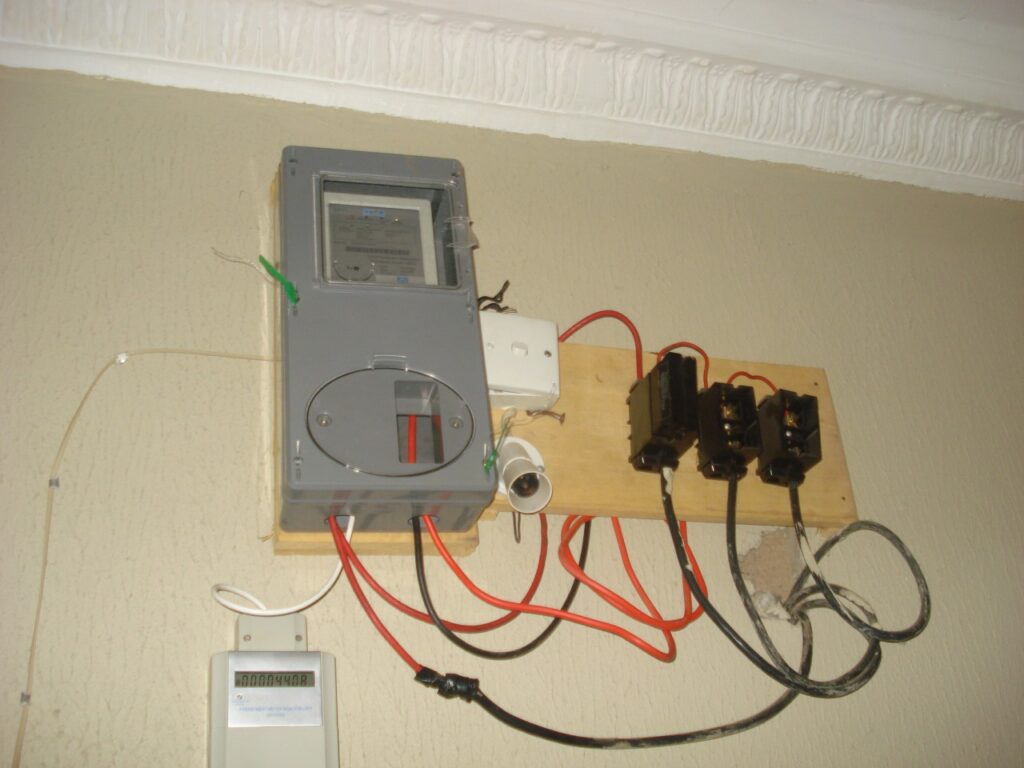
Globally, smart meters and digital energy platforms are redefining how power systems operate. They allow real-time monitoring, remote disconnections, dynamic pricing, and demand response. For utilities, this means reduced losses and better grid planning. For consumers, it means greater control, efficiency, and integration of renewable energy solutions.
However, adopting smart systems in Nigeria cannot be a direct copy of Western models. It must build on the prepaid culture already entrenched in households. A Nigerian smart meter, therefore, is not just a monitoring device; it is an upgraded wallet, a management tool, and a bridge to future energy services.
The Nigerian Model Emerging
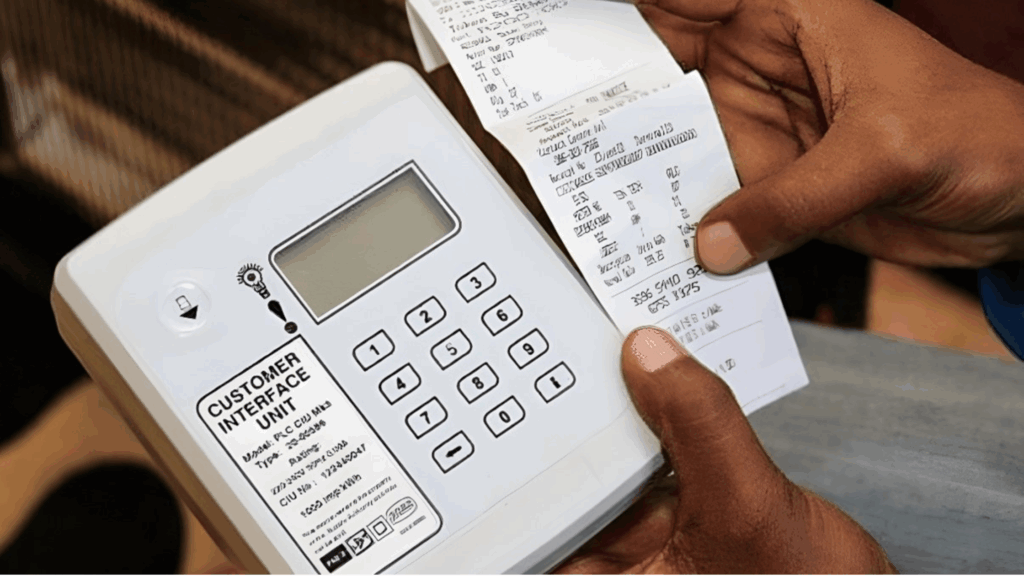
Nigeria’s energy sector is gradually fusing prepaid systems with smart features. Smart prepaid meters, now piloted across various Distribution Companies (DisCos), allow users to:
- Track consumption in real time via mobile apps or USSD codes.
- Recharge remotely without visiting physical offices.
- Receive outage and load-shedding alerts to plan usage.
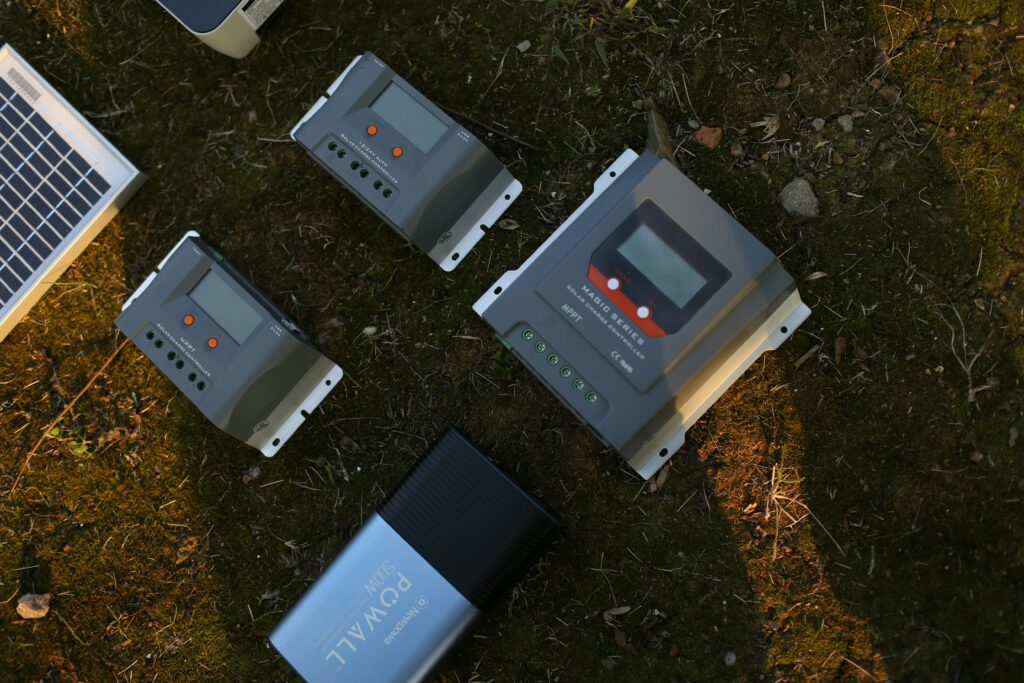
- Integrate solar or backup systems into household energy management.
This hybrid approach recognises that Nigerian consumers prioritise control (avoiding unexpected bills) and flexibility (managing energy under unreliable supply conditions).
Implications for the Power Sector
The prepaid-smart fusion has profound implications:
- Revenue Assurance for Utilities: DisCos reduce liquidity crises and non-technical losses by securing upfront payments.
- Consumer Empowerment: Households can track, plan, and optimise their energy use, reducing waste and building trust.
- Pathway to Decentralised Energy: As renewable mini-grids and solar home systems expand, prepaid-smart solutions create a common language of payment and monitoring across central and decentralised systems.
- Data for Policy: Smart-prepaid platforms generate valuable consumption data, informing tariff design, subsidy targeting, and investment decisions.
Challenges to Overcome
The Nigerian model is not without hurdles. The meter supply gap remains significant, leaving millions still under-estimated billing. Network and digital literacy challenges limit the full utilisation of smart features. Power supply itself remains erratic, meaning even the smartest meter cannot solve generation shortfalls. Without addressing these systemic issues, prepaid-smart technologies risk becoming another patchwork solution rather than a transformative leap.
A Future-Oriented Approach
Nigeria’s strength lies in its ability to adapt global models to local realities. The mobile money revolution showed how financial services could be reimagined for unbanked populations. The prepaid-smart energy model has similar potential: to anchor trust, expand access, and gradually integrate millions into a more innovative, flexible electricity ecosystem.
If scaled and standardised, this model could become an exportable African solution, proof that innovation does not always mean starting from scratch, but sometimes lies in upgrading what already works.
In conclusion, “prepaid meets smart” is a technical evolution and a social contract between Nigeria’s electricity providers and its citizens. It blends accountability with innovation, trust with technology, and survival with sustainability. If nurtured, the Nigerian energy management model can serve as a local solution to long-standing energy woes and a blueprint for emerging economies navigating the dual challenge of access and modernisation.