- Traditional cooking fuels like firewood and charcoal impose hidden health, environmental, and economic costs.
- Scaling access to clean cooking is not just a household issue but a public health, gender equality, climate, and economic priority essential to Nigeria’s energy transition.
In many Nigerian households, particularly across rural and peri-urban areas, firewood and charcoal remain the primary energy sources for daily cooking. These fuels are perceived as inexpensive and readily available. However, their actual costs extend far beyond the household budget. Reliance on traditional cooking fuels affects public health, environmental sustainability, and economic development.
While discussions on energy transition often highlight renewable electricity and large-scale infrastructure, the transition to clean cooking is an equally critical component of sustainable development. Without addressing this challenge, Nigeria risks undermining progress on health, climate, and gender equality.
Health Implications of Traditional Cooking Fuels
The World Health Organisation estimates that household air pollution from cooking with firewood, charcoal, and kerosene contributes to more than four million premature deaths annually. In Nigeria, exposure to smoke from traditional cooking practices is responsible for more deaths each year than malaria or HIV/AIDS.
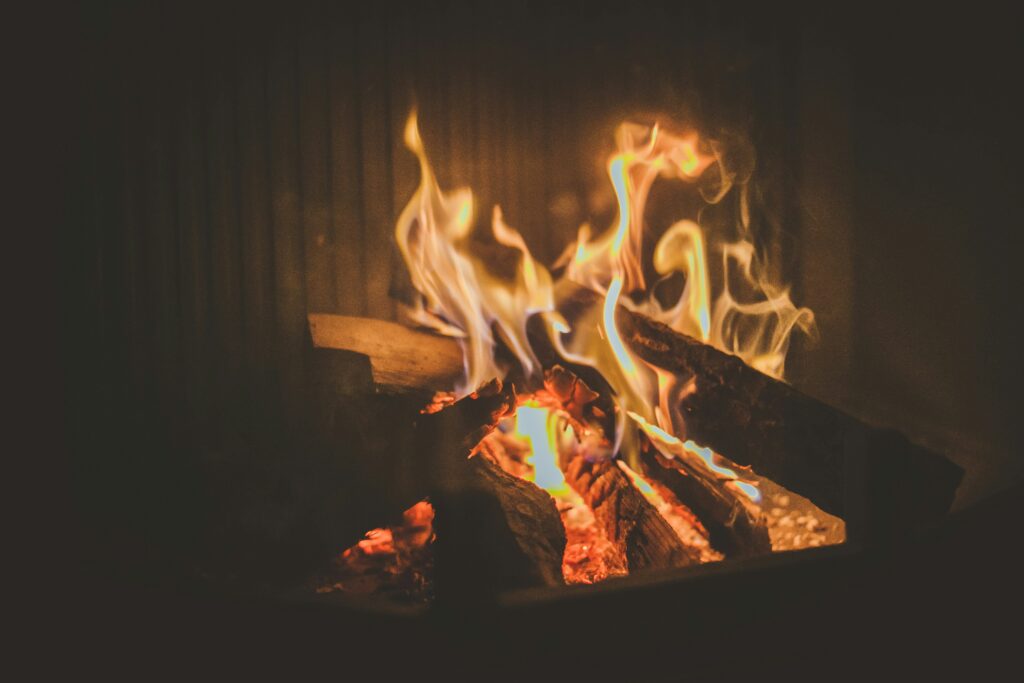
Women and children are disproportionately affected, spending considerable time near open fires or inefficient stoves. Prolonged exposure to household air pollution leads to serious health outcomes, including chronic obstructive pulmonary disease (COPD), pneumonia, lung cancer, and severe eye conditions.
These deaths and illnesses are preventable. They represent a hidden public health emergency that demands as much urgency as vaccination drives or malaria prevention campaigns.
Environmental Consequences
The effect of reliance on firewood extends far beyond households–it is a direct driver of environmental degradation. With more than 70 per cent of Nigerians still dependent on traditional fuels, demand for firewood accelerates deforestation. Northern states, already grappling with desertification, are losing their tree cover at alarming rates. This loss of forest ecosystems reduces biodiversity, weakens soil quality, and worsens flooding and erosion in affected areas.
Burning biomass also contributes to global warming. Black carbon, a byproduct of incomplete combustion, is a potent climate pollutant. It traps heat in the atmosphere more effectively than carbon dioxide, intensifying climate risks already confronting vulnerable communities. Consequently, household cooking practices degrade local environments and contribute to global climate change.
Economic Costs and Opportunity Losses
Beyond health and environmental concerns, reliance on firewood imposes considerable economic costs. Women and children spend hours each week collecting fuel, reducing time available for education or income-generating activities. Smoke-related illnesses such as asthma, bronchitis, pneumonia, COPD, lung cancer, heart disease, stroke, eye irritation, cataracts, carbon monoxide poisoning, and even low birth weight in newborns raise household health expenditures. This also results in a loss of productivity due to sick days and long-term disability.
At the national level, the economic burden is reflected in overstretched healthcare systems and diminished workforce efficiency. What appears to be the least costly cooking option is, in reality, among the most expensive when these hidden costs are considered.
Clean Cooking: A Practical Solution
Solutions to this challenge are well-established. Liquefied petroleum gas (LPG), bioethanol, improved biomass stoves, and electric cooking technologies are viable alternatives that can significantly reduce indoor air pollution and environmental degradation.

International experience demonstrates what is possible. India’s Pradhan Mantri Ujjwala Yojana programme has enabled millions of households to transition to LPG through targeted subsidies and financing support. A combination of policy and private sector initiatives in Kenya has expanded access to LPG and efficient cookstoves.
Nigeria has also initiated programmes to promote LPG adoption and distribute improved stoves. However, progress remains limited and insufficient to meet the country’s broader energy access and climate targets.
Changes for Implementation
To address the clean cooking gap, a coordinated and sustained effort is required. Key priorities include:
- Policy integration: Clean cooking must be explicitly embedded within national energy and climate strategies.
- Financing mechanisms: Innovative approaches can improve affordability and uptake, including carbon market financing and pay-as-you-go LPG models.
- Private sector engagement: Incentivising local entrepreneurs and investors can drive large-scale adoption of clean technologies.
- Awareness and education: Public information campaigns can shift perceptions of clean cooking from an optional upgrade to an essential health and development intervention.
Most importantly, clean cooking must be seen for what it truly is, not just a household issue, but a health intervention, a gender equality tool, a climate action pathway, and an economic growth driver. If Nigeria is to meet its health, climate, and energy access commitments, clean cooking must be prioritised alongside other elements of the energy transition.