- Nigeria can boost energy security, jobs, and affordability by manufacturing clean energy technologies locally.
- Government, investors, and industry must align policies, finance, standards, and skills development to turn rising energy demand into sustainable industrial growth.
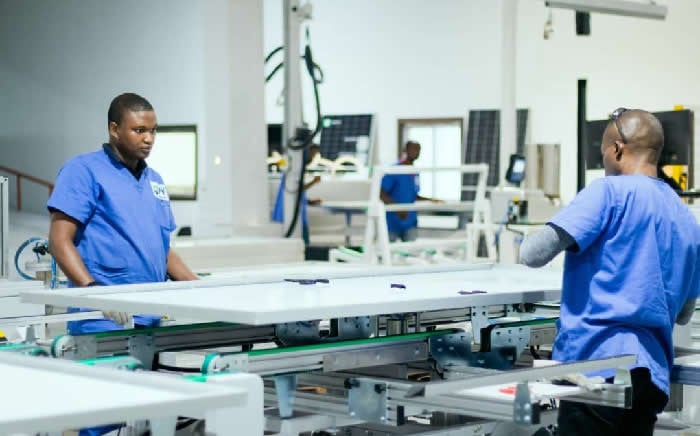
“Made in Nigeria” is fast becoming more than a slogan. It is a strategy for national resilience. In the energy sector, local manufacturing of solar panels, batteries, inverters, meters, and mini-grid components could transform Nigeria’s economy, create jobs, and accelerate electrification. As the country confronts grid challenges, import dependence, and the global energy transition, producing solar systems locally is no longer optional.
Nigeria’s manufacturing sector remains under pressure, but the energy industry is gaining momentum. Persistent grid shortfalls and rising energy demand push homes and businesses toward solar systems, batteries, and mini-grids.
New investments in solar assembly plants, including Spiro’s electric vehicle (EV) plant in Ogun State, signal growing confidence in local capacity. Meanwhile, government and donor-backed electrification programmes, such as the Nigeria Electrification Project (NEP), have deployed millions of solar home systems and hundreds of mini-grids. This surge in demand gives domestic manufacturers a ready market to serve.
Why “Made in Nigeria” in Energy Matters
- Energy Security: Relying on imports exposes Nigeria to foreign exchange shocks, shipping delays, and rising costs. Local production reduces these risks and ensures faster project delivery.
- Job Creation and Skills Growth: Manufacturing builds entire value chains, from metal fabrication and electronics assembly to logistics and maintenance, creating stable jobs and transferable skills across the economy.
- Long-Term Cost Advantage: While imports may appear cheaper now, local production can lower system costs by cutting logistics expenses, reducing currency exposure, and building service networks that improve product lifespan.
Strengths Nigeria Can Leverage
Despite its challenges, Nigeria holds several advantages that can fast-track the growth of local manufacturing in the energy sector. When harnessed deliberately, these strengths can turn ambition into measurable results. Strong domestic demand from solar and mini-grid projects ensures a steady market. Private investors are setting up assembly plants and battery integration lines, proving local capacity.
In addition, Supportive policies like the Electricity Act 2023 and fiscal incentives encourage growth, while a young, skilled workforce can power production. Nigeria’s strategic location also gives manufacturers access to regional markets through AfCFTA. With its tech-driven innovation ecosystem and growing private-sector ambition, the country has the ingredients to build a competitive, export-ready manufacturing base that meets domestic energy needs and drives industrial transformation.
Barriers Holding Back Progress
Despite growing demand and momentum, several hurdles still slow Nigeria’s move toward full-scale energy manufacturing. For example, manufacturers struggle with high financing costs and limited long-term credit. Heavy dependence on imported raw materials raises costs and weakens resilience. Weak enforcement of product standards allows substandard imports to flood the market, hurting quality producers.
In addition, unreliable power, poor logistics, and ageing infrastructure also increase operating costs, with frequent policy changes and unclear incentives discouraging investors. At the same time, the shortage of skilled technicians and engineers limits production quality. Addressing these bottlenecks is crucial for building a competitive, sustainable energy manufacturing industry.
A Vision for 2035
By 2035, Nigeria can lead West Africa in clean energy manufacturing. The vision is clear:
- Multiple factories assemble solar modules, batteries, and inverters at a gigawatt scale.
- Government and private projects source most components locally.
- Skilled Nigerian engineers and technicians fill thousands of quality jobs.
- Energy systems become cheaper, more reliable, and better suited to local conditions.
In conclusion, local manufacturing in Nigeria’s energy sector directly leads to sustainable industrial growth. The opportunity lies at the intersection of unmet electricity demand, private-sector ambition, and government-backed electrification efforts. By aligning incentives, enforcing standards, and investing in skills and infrastructure, Nigeria can transform energy demand into industrial strength, powering its homes and economy with technology proudly made within its borders.