The renewable energy industry in Nigeria is gaining traction and recording massive progress, with renewable energy adoption improving enormously over the years. The increase in solar panel installations across Nigerian cities and rural communities has been impressive, to say the least.
Over 500,000 Nigerian households have installed at least a mini-solar system to power their basic electronic appliances. Thousands of businesses across the country successfully power their operations smoothly with the aid of solar power systems.
The role of solar Engineering, Procurement, and Construction (EPC) companies in closing the energy access gap with the ever-growing 200 million+ population cannot be overemphasised. Solar EPC firms are at the forefront of the tremendous development of Nigeria’s renewable energy sector.
This report analyses the key impact of solar EPC companies in Nigeria’s renewable energy transformation and lists five leading solar EPC firms currently operating in Nigeria.
What Are Solar EPC Firms?
Solar EPC firms focus on the engineering, procurement, and construction of solar power systems and other renewable energy projects such as wind farms and energy storage systems. They oversee the construction and delivery of renewable energy projects from start to finish, ensuring the facilities meet required standards.
These companies are responsible for designing, engineering, sourcing, constructing, and installing solar panels, wind turbines, mini-grids, and other renewable energy projects. They have implemented several strategies to boost the sector’s growth significantly. Some of these mechanisms include the following:
Market Investment
The Nigerian solar sector is experiencing robust growth following increased interest and investment from EPC companies. Having noticed growing electricity demand in Nigeria and the government’s improved interest in renewable energy, solar EPC firms are capitalising on favourable market conditions. Interestingly, competition among these companies and other stakeholders in the sector has reportedly led to a decline in the cost of solar technology.
Technology Integration
Solar developers are pioneering the deployment of diverse renewable technologies across Nigeria. Solar energy imports soared to 868 megawatts (MW) in 2023, while the adoption of wind power is rapidly becoming a trend in the country. Thanks to their commitment and technically sound experts, these firms train Nigerians to install and maintain solar systems in rural areas.
Regulatory Support
Considering their undeniable interests in the renewable energy industry, the government has provided a favourable environment for solar developers. In 2024, NERC issued over 174 mini-grid licenses to new developers, creating numerous opportunities for solar contractors to develop distributed renewable energy projects. This policy created room for significant expansion of energy access infrastructure, benefiting the people and communities.
Solar Systems Accessibility
These firms are providing solar solutions to cities and underserved local government areas. From residential installations to commercial and industrial projects, they ensure that people in local places where grid electricity is unreliable or unavailable enjoy reliable access to off-grid electricity.
Hybrid Solutions
Many solar EPC companies are developing hybrid renewable energy systems that combine solar, wind, and battery storage to provide a consistent power supply. This approach has addressed the challenges associated with renewable sources to a large extent.
Five Major Solar EPC Firms Driving Energy Access in Nigeria
Based on market analysis, here are the key solar developers leading Nigeria’s renewable energy sector:
1. Eauxwell Nigeria Limited
Eauxwell Nigeria Limited is one of the leading solar developers in Nigeria, at the forefront of improving energy access delivery. The company started as a water engineering solution provider in 1987 and now specialises in rooftop and utility-scale solar PV and battery energy storage systems. Despite beginning as a water solutions company, Eauxwell has become a prominent solar EPC contractor in Nigeria and Africa.
The firm has installed more than 120MW of solar PV projects throughout Nigeria. Its services include engineering, procurement, construction, and technical support for integrated renewable energy solutions, especially solar PV systems and battery energy storage.
Recently, Eauxwell was one of the companies that delivered hybrid solar power plant solutions to Nigerian universities under the Energising Education programme (EEP), which is sponsored by the African Development Bank Group and implemented by the Rural Electrification Agency of Nigeria. Under the project, Eauxwell has delivered a combined 25.6 MWp solar PV capacity and 39.4 MWh Battery Energy Storage System (BESS), including backup MVA diesel generators and lines of 33kV distribution network. These projects provide reliable and sustainable power to educational institutions, shaping the nation’s future.
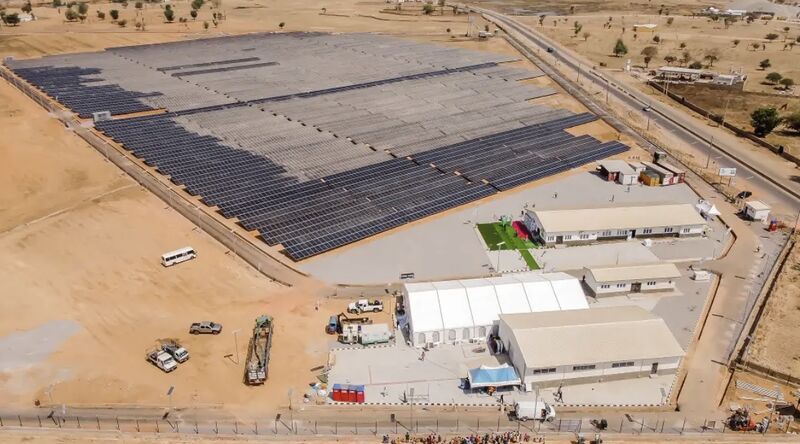
In 2023, the firm designed and built the Haske Solar plant, an 11.8 MWp grid-connected solar facility in Kano State. The facility was initiated by the Federal Government through the Nigeria Sovereign Investment Authority (NSIA) and managed by the Ministry of Finance Incorporated (MOFI). Haske Solar is already delivering 10MW of power to Kano Electricity Distribution PLC. In the same year, Eauxwell completed a 150kWp solar PV capacity with a 700kWh BESS for ECOWAS.
In addition to its EPC work, Eauxwell provides hands-on internship opportunities for youths and women in Science, Technology, Engineering, and Mathematics (STEM) fields. This approach doesn’t just diversify the workforce; it builds resilience, innovation, and technical capacity in the renewable energy industry.
These milestones ensure clean energy growth and reaffirm Eauxwell’s commitment to building world-class solar and hybrid power infrastructure that accelerates Nigeria’s energy transition.
2. CEESOLAR Energy Limited
CEESOLAR Energy Limited is another household name in the country’s renewable energy industry. It focuses on solar system design and construction, energy systems deployment, and advisory and consultancy services. While it welcomes residential customers, CEESOLAR Energy prioritises commercial and industrial clients seeking solar solutions for their businesses.
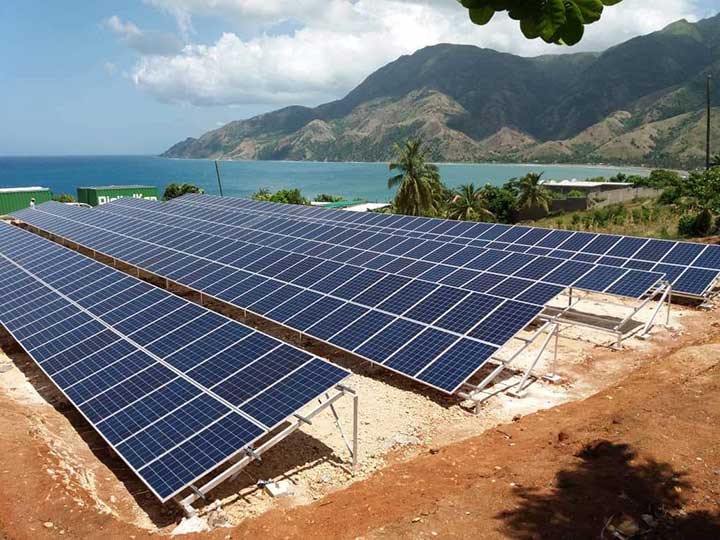
The firm was recently part of the Renewable Energy Service Companies (RESCOs) that participated in the Rural Electrification Fund (REF) Call 3 of the REA. In 2024, All On, the Shell-funded leading Nigerian impact investment company, awarded CEESOLAR a $395,000 grant to deliver reliable power to the Niger Delta region under its Niger Delta Grant programme. The project focused on off-grid power to the Oweighoroha community in Bayelsa State. The project provided essential electricity for 430 connections, empowering residents with social and productive-use applications.
In December 2023, CEESOLAR successfully implemented the EEP Phase II STEM Internship Programme under the REA EEP funded by The World Bank. The programme trained 140 female STEM students across seven federal institutions in renewable energy fundamentals with a mentorship programme designed to prepare participants for impactful careers in clean energy.
3. Havenhill Synergy Limited
Havenhill Synergy Limited is a key player in Nigeria and Africa’s renewable energy sector. Established as a cleantech utility company, the firm focuses on generating clean, cost-effective, and sustainable electricity in urban and rural areas through solar energy.
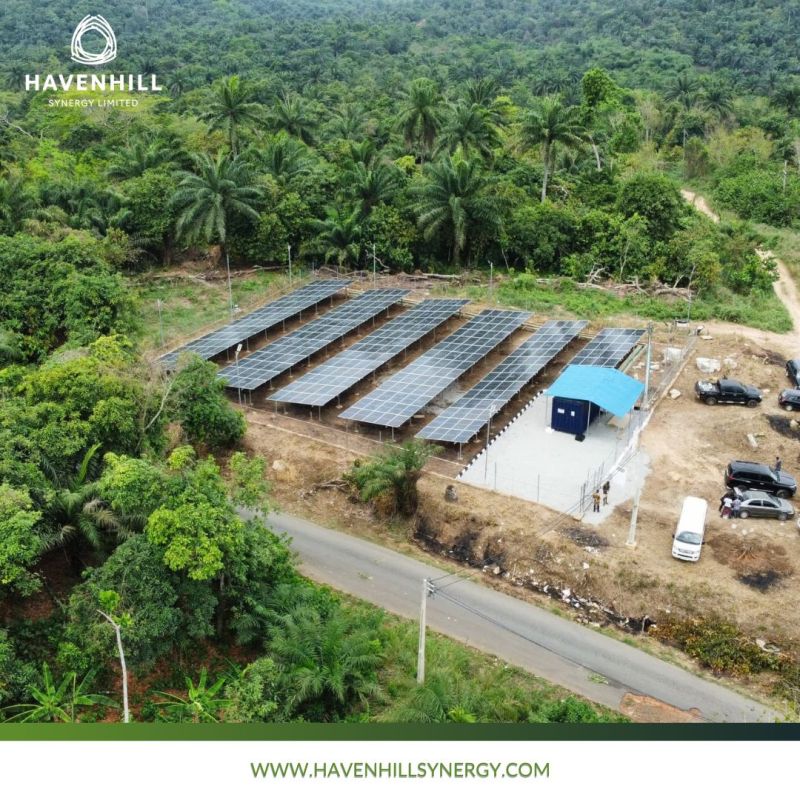
The company focuses on creating affordable solar-powered mini-grids and other renewable solutions for residential and commercial purposes. Havenhill Synergy’s target market includes rural villages, schools, and healthcare centres.
In 2021, Havenhill Synergy secured an N1.89 billion eight-year tenure infrastructure financing with a successful financial close with Chapel Hill Denham Nigeria Infrastructure Debt Fund (NIDF). This financing, the first listed infrastructure debt fund in Nigeria, was disbursed for the construction of 22 mini-grids undertaken under the Nigeria Electrification Project.
4. Arnergy Solar Limited
Arnergy Solar Limited is a renowned solar solutions provider that offers solar systems to homes and businesses. The venture-backed renewable energy and clean tech company attracts key investments and financing from energy investors worldwide, including Breakthrough Energy (BEV), Norfund, EDFI, and All On.
Its mission includes providing stable and reliable electricity for homes, compounds, housing estates, and commercial establishments. In 2020, the Federal Government of Nigeria, through the REA, signed an official grant agreement with Arnergy, the World Bank and others, on the Nigerian Electrification Project (NEP) – Output Based Fund (OBF) to deploy Solar Home Systems to Nigerian Small and Medium Enterprises.
Arnergy has successfully generated 9.8GWh+ of green energy, 9.3MWp+ of installed solar PV capacity, 23.8MWh+ active storage system (BESS), 23,000MT+ displaced CO2e equivalent, 200k+ sequestered carbon equivalent through tree seedlings grown and 2.2 million litres of diesel equivalent. Based on customer ratings, Arnergy is a reliable company with a 4.7/5 customer satisfaction score.
Notably, in 2024, Bill Gates visited Arnergy’s facility in Lagos, where he discussed accelerating renewable energy adoption in Nigeria.

5. Gentec EPC
With over 20 years of experience, Gentec EPC is one of Nigeria’s top renewable energy companies. It is a multinational EPC energy contractor with offices in Switzerland, India, and Nigeria (Lagos). The company specialises in distributing power, natural gas, and solar energy to Nigeria and other parts of Africa.
Some of its notable projects in Nigeria include the 8 MW Containerised Gas-Fired Power Plant for Coca-Cola with an integrated Waste Heat Recovery (CHP) system in Lagos and the Compressed Natural Gas (CNG) Station in Otta, Ogun State.
Conclusion
These solar EPC firms are not just building infrastructure; they are creating an ecosystem that supports Nigeria’s transition to cleaner energy sources while addressing the country’s chronic energy access challenges. Their work is particularly crucial given Nigeria’s vast renewable energy potential and the need to provide electricity access to millions of Nigerians who currently lack a reliable power supply.
The combination of favourable regulations, growing market demand, and technological advancement positions these developers as critical enablers of Nigeria’s renewable energy future.