Are Automatic Solar Tracking Systems Worth the Investment?
Nigeria has one of the highest solar energy potentials in sub-Saharan Africa, with average daily solar irradiation ranging between 5.0 and 7.0 kWh/m² across most regions. Yet, despite this abundance, solar photovoltaic (PV) systems in the country often underperform relative to their theoretical potential. Factors such as high temperatures, dust accumulation, sub-optimal system design, and static panel orientation continue to limit energy yield.
One technology frequently proposed to address efficiency challenges is the automatic solar tracking system. Meanwhile, this mechanism adjusts the orientation of PV panels to follow the sun’s path throughout the day. While solar tracking systems have demonstrated improved energy output in controlled environments, the key question remains: are they economically and technically viable for Nigeria’s energy landscape?
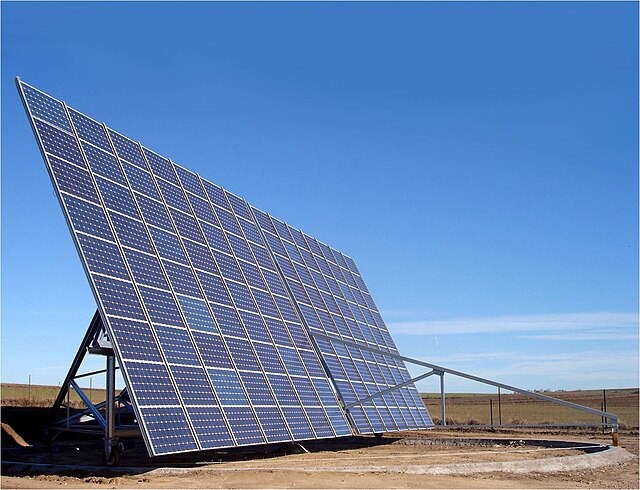
Understanding Solar Tracking Systems
Solar tracking systems are designed to maximise solar irradiance capture by continuously aligning PV modules with the sun’s position. They are broadly classified into two categories:
• Single-axis trackers, which rotate panels along one axis, typically east to west.
• Dual-axis trackers, which adjust both horizontally and vertically to maintain optimal alignment throughout the day and across seasons.
By contrast, most PV installations in Nigeria use fixed-tilt systems, typically oriented southward at a tilt angle that approximates the local latitude.
Performance Gains: How Much More Energy Do Trackers Produce?
Studies conducted in regions with similar latitudes and solar profiles to Nigeria indicate that:
• Single-axis trackers can increase energy yield by 15–25%
• Dual-axis trackers can achieve gains of 25–40%, depending on location and system design
In theory, these gains could significantly enhance power availability for off-grid systems, solar mini-grids, and utility-scale solar plants, particularly during early morning and late afternoon periods when fixed systems typically experience lower output. However, performance gains alone do not determine feasibility. The Nigerian context also introduces additional considerations that affect real-world outcomes.
Cost Implications and Economic Viability
The primary drawback of solar tracking systems is cost. Compared to fixed-tilt structures, trackers typically involve:
• Higher capital expenditure (CAPEX) due to motors, sensors, control units, and reinforced mounting structures
• Increased O&M costs from mechanical wear, calibration, and part replacement
• Greater risk of downtime in areas with limited technical support
For small residential and SME systems, these costs often outweigh the additional energy produced. In such cases, installing extra PV modules or optimising tilt and orientation is usually more cost-effective.
However, for utility-scale solar farms, where economies of scale apply, single-axis trackers can be financially justifiable, especially when land availability is constrained, and energy yield per square metre is critical.
Off-Grid and Mini-Grid Applications: A Mixed Case
Nigeria’s off-grid and mini-grid sector plays a vital role in expanding electricity access. For these systems, reliability and simplicity are often prioritised over maximum output.
Tracking systems may offer benefits in:
• Institutional facilities (hospitals, research centres)
• Productive-use applications requiring extended daytime power
• Hybrid systems where solar complements storage or diesel generation
Nonetheless, many developers prefer fixed systems due to:
• Easier local maintenance
• Lower risk of component failure
• Predictable long-term performance
Are Solar Tracking Systems Worth the Investment?
The answer is context-specific rather than absolute. Solar tracking systems are likely worth the investment when:
• Deployed in utility-scale projects
• Used in regions with high direct normal irradiance
• Supported by robust maintenance frameworks
• Integrated into projects where land constraints justify higher efficiency
They are less suitable when:
• Applied to small-scale residential systems
• Installed in remote areas with limited technical support
• Cost minimisation is a primary objective
For most Nigerian PV installations today, optimised fixed-tilt systems, combined with high-quality modules, proper system sizing, and regular maintenance, remain the most practical solution.
Conclusion
Automatic solar tracking systems offer clear technical benefits in increasing energy output, but their value in Nigeria depends on scale, location, and institutional capacity. While trackers may enhance performance in large or specialised installations, they are not a universal solution to Nigeria’s solar efficiency challenges.