Abuja, Nigeria | January 28, 2026 – Stakeholders in Nigeria’s power and renewable energy sector have called for a coordinated, lifecycle-based approach to energy infrastructure, one that combines rigorous standards enforcement, structured maintenance frameworks, and continuous human capital development to ensure long-term system reliability and sustainability.
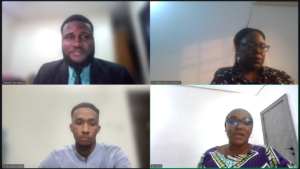
The call was made during the Nextier Power Dialogue, hosted by The Electricity Hub and themed “Improving Standardisation and Maintenance for Energy Access and Sustainability,” held virtually on Wednesday, January 28, 2026.
The session convened regulators, developers, policy experts, and market practitioners, including Habiba Ali, CEO of Sosai Renewable Energies; Chimaobi Omeye, Regional Coordinator (West & Central Africa) at the Africa Minigrid Developers Association (AMDA); Chinedu Ogoilegbune, Infrastructure Consultant at Nextier; and Adanne Wadibia-Anyawu, Sustainability Development and Infrastructure Policy Specialist.

Beyond Installation: Managing Energy Assets Over Their Lifecycle
Panellists agreed that failures in mini-grids and other decentralised energy systems rarely originate from a single fault. Instead, risks accumulate across system design, component quality, installation practices, environmental exposure, and insufficient maintenance planning.
Speakers noted that Nigeria has historically prioritised installation over long-term asset management, often leaving maintenance responsibilities unclear once projects are commissioned. However, the sector is gradually shifting toward lifecycle thinking, driven by evolving regulatory frameworks, results-based financing programmes, and stricter safety and inspection requirements.
Standards, Enforcement, and Shared Accountability
Discussions highlighted the importance of early and continuous engagement between project developers and regulators, rather than last-minute compliance efforts. Inspection, testing, and certification were framed not as administrative hurdles, but as tools for reducing safety, operational, and financial risks.
Participants stressed that accountability must be shared across the value chain: regulators enforcing standards, developers adhering to them, financiers prioritising safety and uptime, and procurement entities insisting on certified components and qualified personnel.
Maintenance as a Commercial Imperative
From a market perspective, speakers argued that maintenance must be embedded within project revenue models, rather than treated as an afterthought. Poor maintenance culture, dispersed rural assets, and tariff structures focused solely on capital recovery were identified as significant barriers to system reliability.
Effective models discussed included portfolio-level operations and maintenance (O&M), maintenance-as-a-service providers, remote monitoring and predictive maintenance tools, and financing structures that link payments directly to system uptime and performance.
After-Sales Service, Community Engagement, and Trust
Drawing from operational experience, panellists highlighted how pay-as-you-go systems, service-level agreements, warranties, and digital monitoring platforms help sustain system performance, particularly in underserved communities. Continuous customer engagement and clearly defined after-sales obligations were identified as critical to building trust and reducing downtime.
Human Capital: Keeping Pace with Rapid Technological Change
A major focus of the dialogue was the growing skills gap in the sector. Speakers warned that advancing technologies, including AI-enabled system design, remote monitoring platforms, firmware updates, and electric mobility, risk outpacing the capacity of technicians and installers if continuous training is not prioritised.
Participants emphasised the need for ongoing capacity building to ensure technicians can effectively interface with new technologies, updated firmware, and evolving standards. Continuous retraining, rather than one-off certification, was identified as essential to maintaining system performance over time.
Regional Certification and Workforce Mobility
At the regional level, panellists identified inconsistent certification frameworks, unclear career pathways, low retention, and limited labour mobility as key constraints that undermine technician effectiveness across West Africa.
Speakers called for harmonised, regionally recognised certification systems that would allow skilled technicians to work across countries, facilitate knowledge exchange, and support emerging manufacturing and deployment hubs. Such mobility, they noted, would strengthen skills transfer, improve retention, and raise overall sector competence.
Local Manufacturing and Quality Assurance
The dialogue also examined Nigeria’s prospects for local manufacturing of renewable energy components. While progress has been made in module assembly, mounting structures, and cabling, speakers stressed that strong quality benchmarks, rigorous testing regimes, and strict enforcement are essential to prevent substandard products from entering the market.
Participants emphasised that aligning national standards with international benchmarks is critical, particularly as locally manufactured equipment may eventually serve regional markets. Poor quality, they warned, would not only undermine system reliability but also damage Nigeria’s reputation beyond its borders.
A Shared Path Forward
In closing, panellists agreed that sustainable energy access is not defined by how quickly systems are deployed, but by how long they continue to operate safely and reliably. Achieving this will require coordinated action that integrates standards enforcement, maintenance planning, workforce development, and long-term performance incentives across the energy value chain.
Quotes
Habiba Ali
CEO, Sosai Renewable Energies
“Energy systems don’t fail because of one mistake. Failure usually happens across the lifecycle-design, installation, maintenance, and after-sales support. If maintenance planning ends at installation, sustainability ends there too.”
“As technology advances, human capacity must advance with it. You can deploy AI-enabled systems or updated firmware, but if the technicians don’t understand how to operate and maintain them, the system is already at risk.”
“After-sales service, warranties, and clear service-level agreements are not optional extras. They are essential to keeping systems operational and building trust with end users, especially in underserved communities.”
“Local manufacturing can significantly reduce costs and foreign exchange exposure, but only if strong quality standards are enforced. Poor-quality locally made equipment would undermine both system reliability and Nigeria’s reputation.”
Chimaobi Omeye
Regional Coordinator (West & Central Africa), Africa Minigrid Developers Association (AMDA)
“Failure is inevitable if maintenance is treated as an afterthought. Maintenance must be treated as a core business function, not an afterthought. Once it is embedded in revenue models, financing and performance naturally follow.”
“Technology can scale quickly, but skills gaps show up in system failures. If technicians are underpaid, poorly retained, or inconsistently certified, sustainability becomes impossible.”
“We already have many of the right standards in place. Where the sector still struggles is enforcement, post-installation accountability, and financing maintenance properly.”
“Energy access is not about how fast we deploy systems, it’s about whether those systems are still working 10 or 20 years later.”
Adanne Wadibia-Anyawu
Sustainability Development & Infrastructure Policy Specialist
“Standards, testing, and certification should be seen as tools for protecting investments, not bureaucratic hurdles. They reduce risk across the entire lifecycle of energy assets.”
“Inspection and compliance cannot be one-off activities. A lifecycle approach, covering installation, operation, and ongoing maintenance, is critical to system safety and reliability.”
“Regulation only works when all actors play their part. Developers, financiers, and procuring entities must insist on certified equipment and qualified personnel, not just regulators.”
Chinedu Ogoilegbune
Infrastructure Consultant, Nextier
“For Nigeria to align with global energy standards, our workforce must also be trained to global standards. Technology, policy, and human capacity must move forward together.”